
AskMeno’s Why
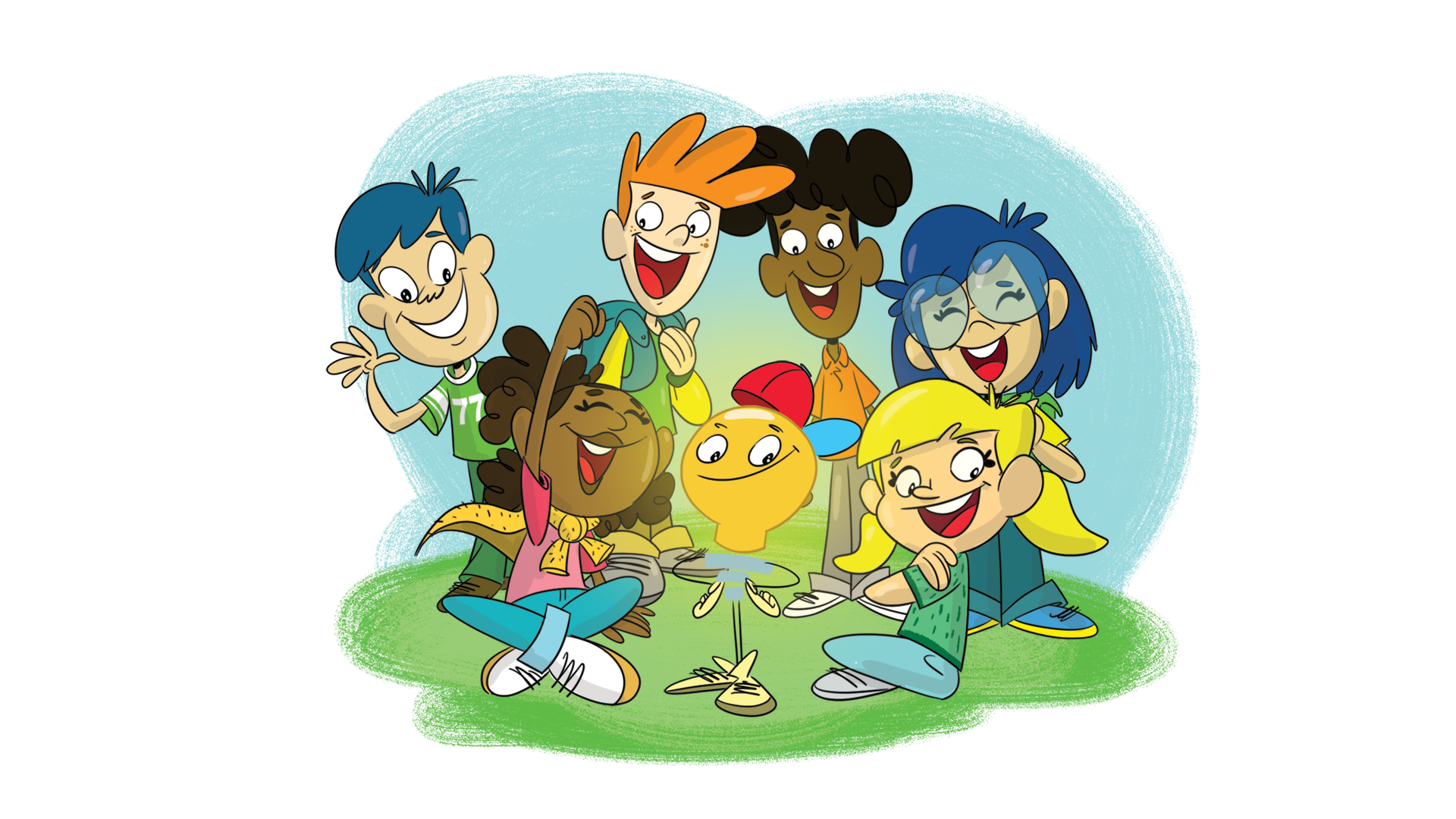
Every child deserves to feel seen, heard, and valued.
Before children learn to read...
Before they learn to write...
Before they learn to ask thoughtful questions...
They need to know their voice matters.
At AskMeno, we believe learning begins with curiosity, and curiosity grows when children feel safe to wonder, speak, and explore.
That's why we created AskMeno.
Why AskMeno?

Every child enters the classroom with incredible potential.
At AskMeno, we believe children don't need to be given curiosity—they already have it. Our role is to help discover the curiosity that's already there and develop it through meaningful conversations.
When children feel safe to wonder, ask questions, and share their ideas, they begin to see themselves as capable learners.
More classroom conversations lead to better everything for everyone.
Every Child Begins with Curiosity
Young children learn by talking.
Every conversation helps learners strengthen oral language, practice listening, build confidence, and make sense of the world around them.
That's why AskMeno sparks conversations through topics like history, geography, civics, and economics—helping Pre-K and Kindergarten learners build curiosity while meeting early learning standards.
Together with George Washington, our AI-powered digital conversation partner, teachers create engaging classroom discussions where every child has a chance to participate.
Why Conversation Matters
Our goal isn't simply to help children ask better questions.
It's to help them become confident learners who believe:
My voice matters.
It's okay to wonder.
I can grow through asking questions.
Learning is something we do together.
Because when children are confident enough to ask questions today, they become the curious thinkers, readers, and citizens of tomorrow.